

Deeper soil insights: Understand microbial diversity and pathogen profiles to inform breeding decisions.
Early pathogen detection: Identify threats before symptoms appear, enabling targeted interventions.
Data-driven selection: Integrate field and lab data to select varieties best suited to local soil ecosystems.
Streamlined digital workflows: Use KDSmart for accurate, offline field data collection and seamless integration with breeding databases.
Sustainable breeding: Develop cultivars resilient to environmental and disease pressures.
Collaboration: Foster knowledge sharing between breeders, field staff, and data managers.
DArT’s integrated metagenomics service transforms crop management by providing actionable, data-driven insights into soil and plant health. Here’s how this advanced analysis directly benefits crop
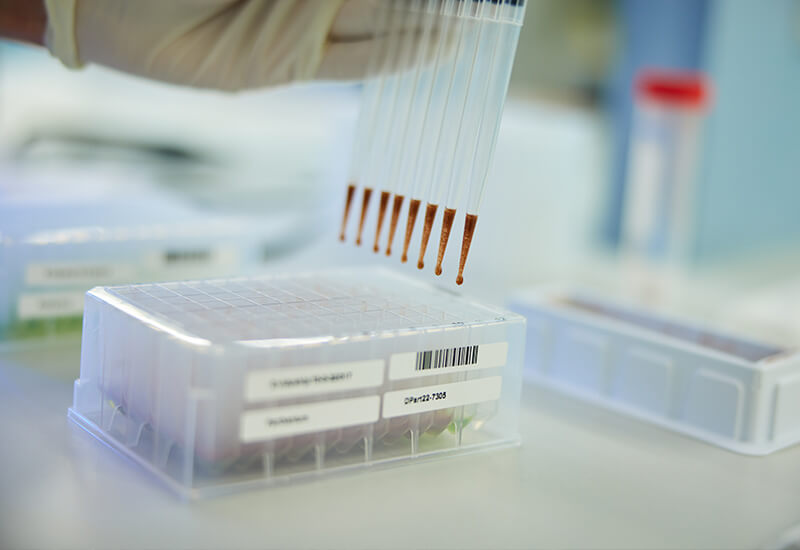
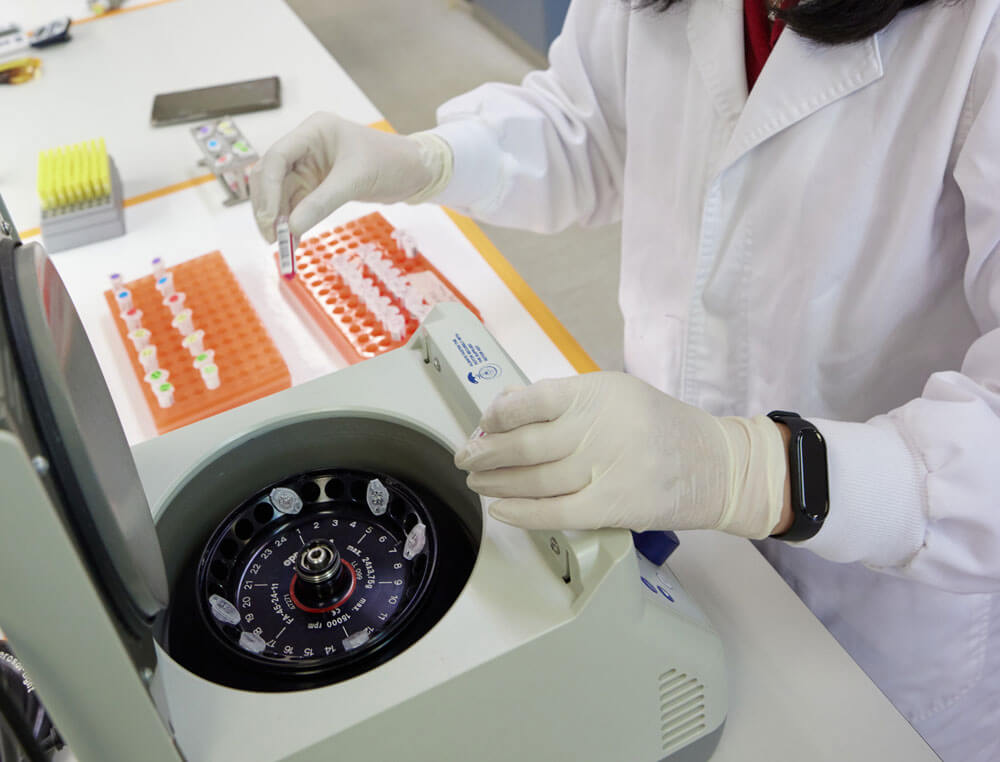
Pathogen Profiling: By analysing the DNA of soil and plant samples, the service identifies the presence
and abundance of disease-causing organisms before symptoms appear in the field.
Targeted Interventions: Early detection allows for timely, targeted disease management—reducing
unnecessary chemical use and preventing widespread outbreaks.
Soil-Microbe-Plant Interactions: Understanding the microbial communities in the soil helps breeders select plant varieties that are more compatible with local soil ecosystems, improving establishment and resilience.
Data-Driven Selection: Integration with digital tools (like KDSmart/KDManage) allows breeders to correlate soil health data with plant performance, accelerating the identification of superior genotypes.
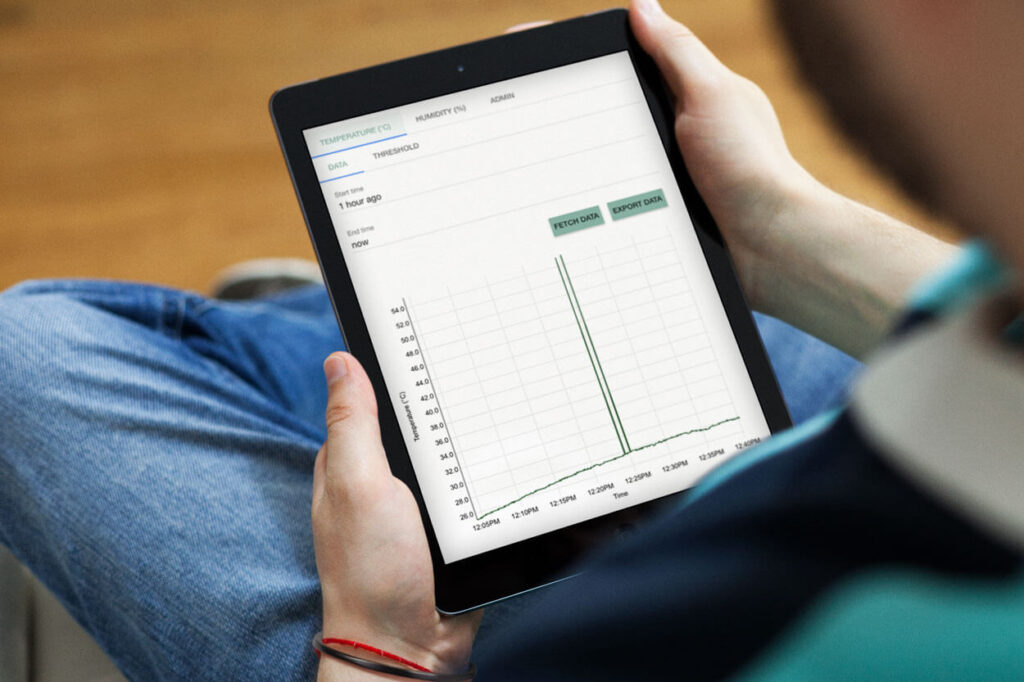
Digital Workflow: Tools such as KDDArT suite of KDManage/KDSmart enable accurate, offline field data collection, which is later synced to centralised databases. This reduces errors, improves traceability, and ensures that no data is lost—even in remote or challenging environments.
Comprehensive Metadata: Linking sample data with precise field observations supports robust analyses and repeatability.
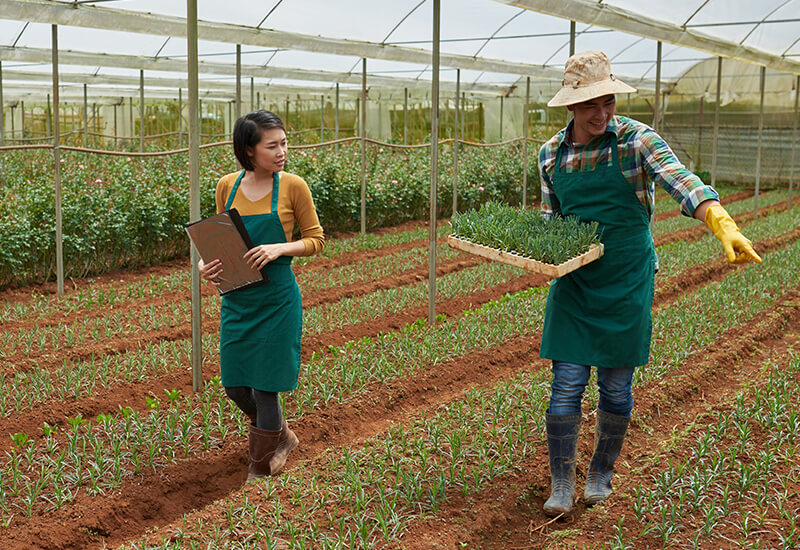
Soil Health Monitoring: Regular metagenomic assessments reveal changes in soil biodiversity and health, guiding sustainable practices such as crop rotation, cover cropping, and reduced tillage.
Long-Term Productivity: Maintaining a balanced soil microbiome supports nutrient cycling, plant growth, and long-term field productivity.
Integrated Communication: The KDDArT workflow engine fosters collaboration among breeders, field staff, and data managers, ensuring everyone has access to up-to-date, actionable information.
Customisable Reports: User-friendly dashboards and reports help translate complex genetic data into practical recommendations for crop management.
Disease management
Breeding decisions
Data quality & traceability
Sustainability
Team collaboration
Early pathogen detection, targeted control
Data driven selection, soil-plant compatibility
Digital error-free field data collection
Soil health monitoring, guidance for best practices
Seamless information flow, actionable insights